By Timothy Kitchen
There is a difference between drawing people to ourselves and serving them in the love of Christ. Both can involve teaching, leading, giving, and working diligently. From the outside, they may even look alike. The difference becomes clearer when we consider what we desire from the people we claim to serve.
Do we want them to recognize our importance, depend on our approval, and acknowledge our authority? Or do we want them to grow in Christ, even when that growth brings us little recognition?
These questions reach beyond outward conduct. They ask us to examine the heart.
The Desire to Be Important
When we draw attention to ourselves, people can gradually become an audience for our importance. We may speak often about our calling, our sacrifices, our knowledge, or our position. We may feel the need to remind others that we are the ones in charge.
Even acts of generosity can become a way of securing admiration. We give, but expect loyalty. We help, but want acknowledgment. We lead, but become offended when someone questions us.
This spirit makes fellowship difficult because others must continually make room for our importance. Their needs become secondary to protecting our standing.
Jesus addressed this directly when His disciples were concerned with greatness. He explained that the rulers of the nations exercised dominion over others, then told His followers that greatness among them would be expressed through service (Matthew 20:25–28).
His words challenge the desire to stand above the brethren and be seen as indispensable.
The Lord Who Knelt
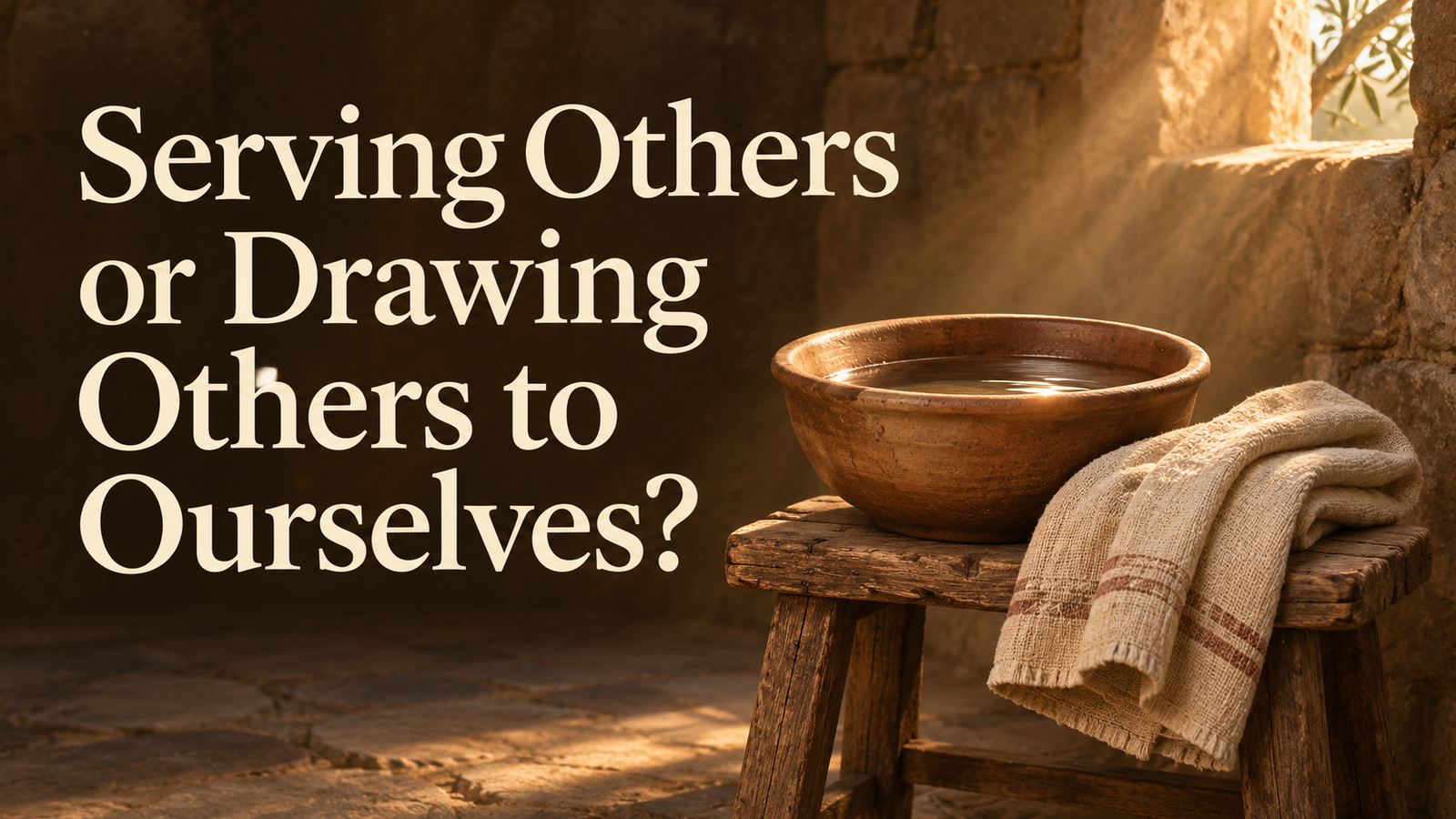
In John 13, Jesus washed His disciples’ feet. He knew who He was. His authority was secure. Yet He rose from supper, took a towel, and performed a lowly task for those He loved.
He did not need to diminish anyone else to establish His greatness. He used His strength to care for them.
Afterward, He instructed His disciples to follow His example. If their Lord and Teacher could wash their feet, they could serve one another.
This gives us a searching picture of spiritual leadership. A person may have responsibility, experience, or authority, yet still kneel beside a brother or sister and attend to an ordinary need. No task becomes beneath us simply because others look to us for guidance.
The question is whether we are willing to take the lower place when there is nothing to gain from it.
Taking the Lower Place
Philippians 2:3–8 calls believers away from selfish ambition and conceit toward humility, consideration for others, and the mind of Christ.
To lower ourselves beneath the brethren is to surrender the demand for precedence. We become willing to listen before speaking, receive correction, share credit, and do work that may never be noticed.
Humility does not require us to pretend we have no gifts or to deny the responsibilities entrusted to us. It means offering those gifts without using them to claim greater personal worth. It also does not require silence about wrongdoing or submission to mistreatment. We can speak truthfully and maintain healthy boundaries while treating others with dignity.
A servant’s heart asks, “What does this person need, and how can I faithfully help?” That question leaves less room for calculating how the encounter will improve our reputation.
Where Does Our Service Lead?
John the Baptist understood the purpose of his ministry. When attention turned toward Jesus, John rejoiced. His desire was for Christ to increase while he decreased (John 3:26–30).
We need that same freedom.
Faithful service helps people grow in their dependence on the Lord. It makes room for their gifts and rejoices when they mature. It does not bind them to our personality or make our approval the measure of their faithfulness.
We can examine ourselves through ordinary moments. How do we respond when someone else receives the thanks? Can we rejoice when a person we have helped begins to flourish without our involvement? Are we willing to serve someone who cannot advance our position?
Our reactions may reveal desires we have not yet surrendered. We can bring those desires honestly before God and ask Him to reshape them.
The church needs people willing to carry responsibility with humility: people who will teach, lead, correct, encourage, and labor with the welfare of the brethren in view.
Jesus has shown us the way. He took the towel. As we follow Him, may we become more willing to take it too.
Leave a Reply